

BSU India – Bhavya Srishti UdyogBSUBhavya Srishti Udyog
Skip to content

Why engineered bamboo?

As industries worldwide seek materials that balance performance with environmental responsibility, bamboo presents a compelling opportunity. Rapidly renewable, responsibly sourced, and increasingly supported by engineering innovation, bamboo is helping redefine how we think about infrastructure and development.

At BSU, we believe bamboo has the potential to address modern challenges through solutions that are practical, scalable, and designed for long-term impact.

Understanding the material.

Engineered bamboo material texture

Swipe to explore

What is bamboo?

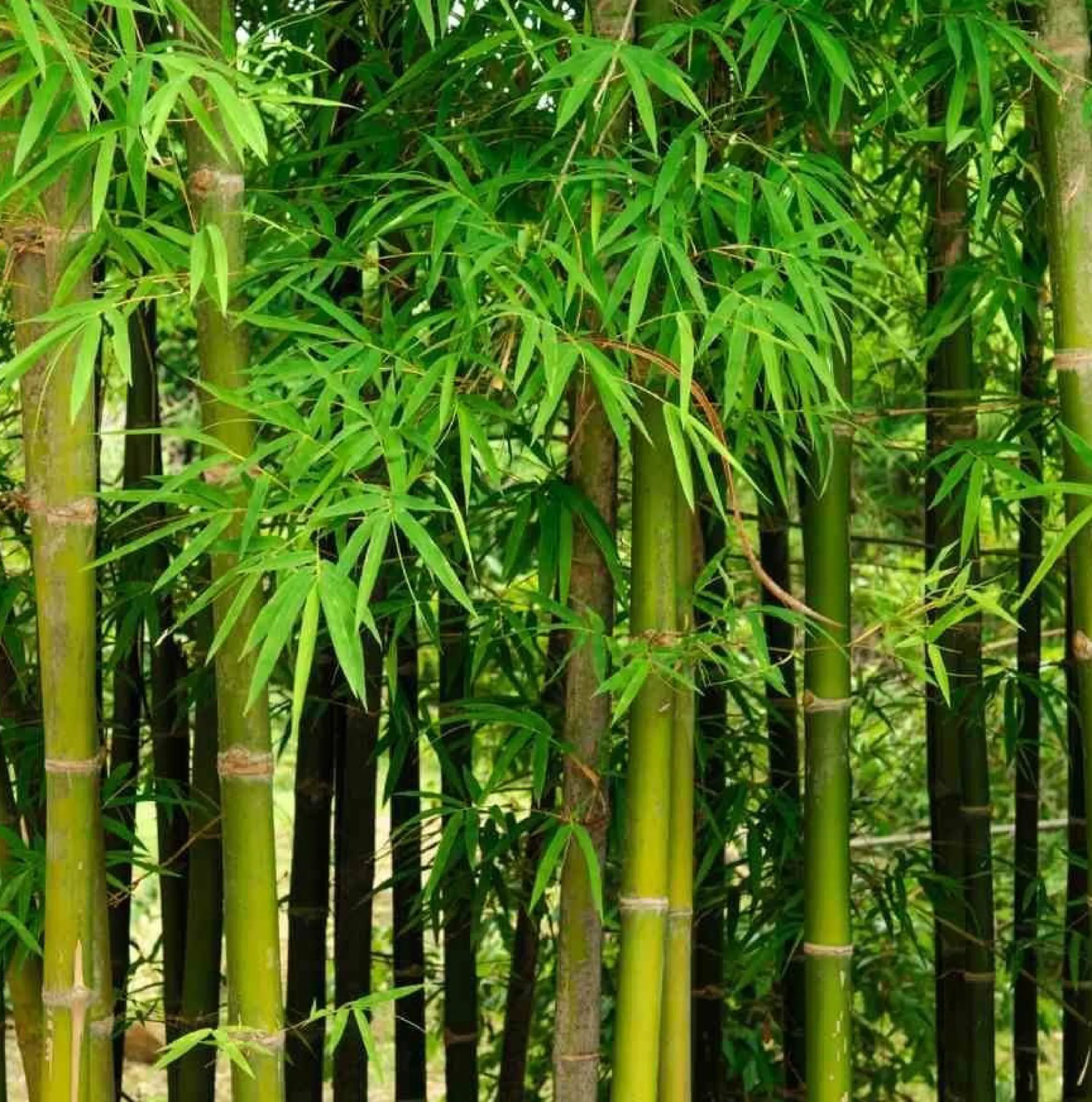
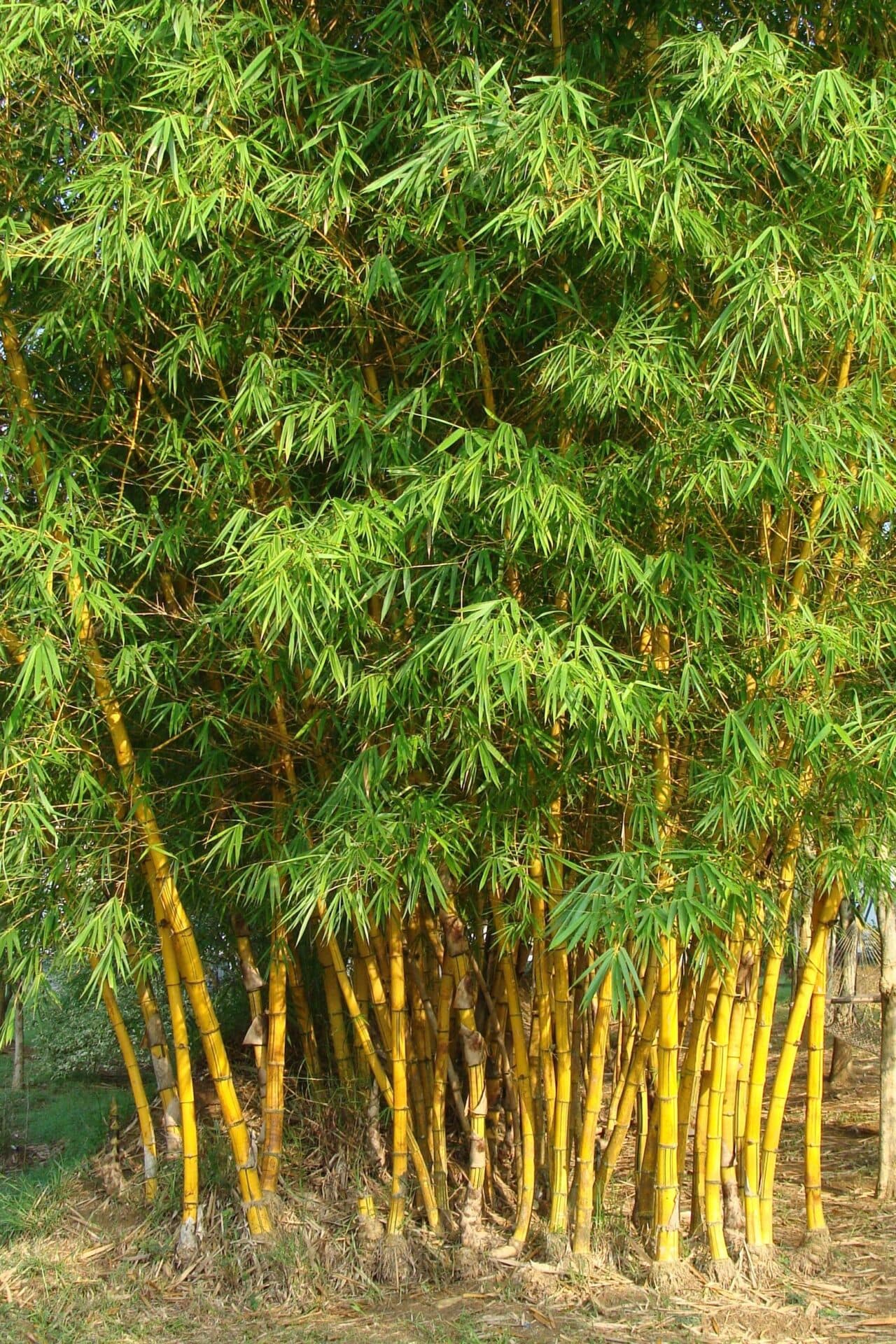
Bamboo is technically a giant grass, not a tree. This unique botanical classification gives it extraordinary growth rates and resilience. Certain species can grow up to 91 cm (36 inches) in a single day, making it one of the fastest-growing plants on Earth.

What is engineered bamboo?

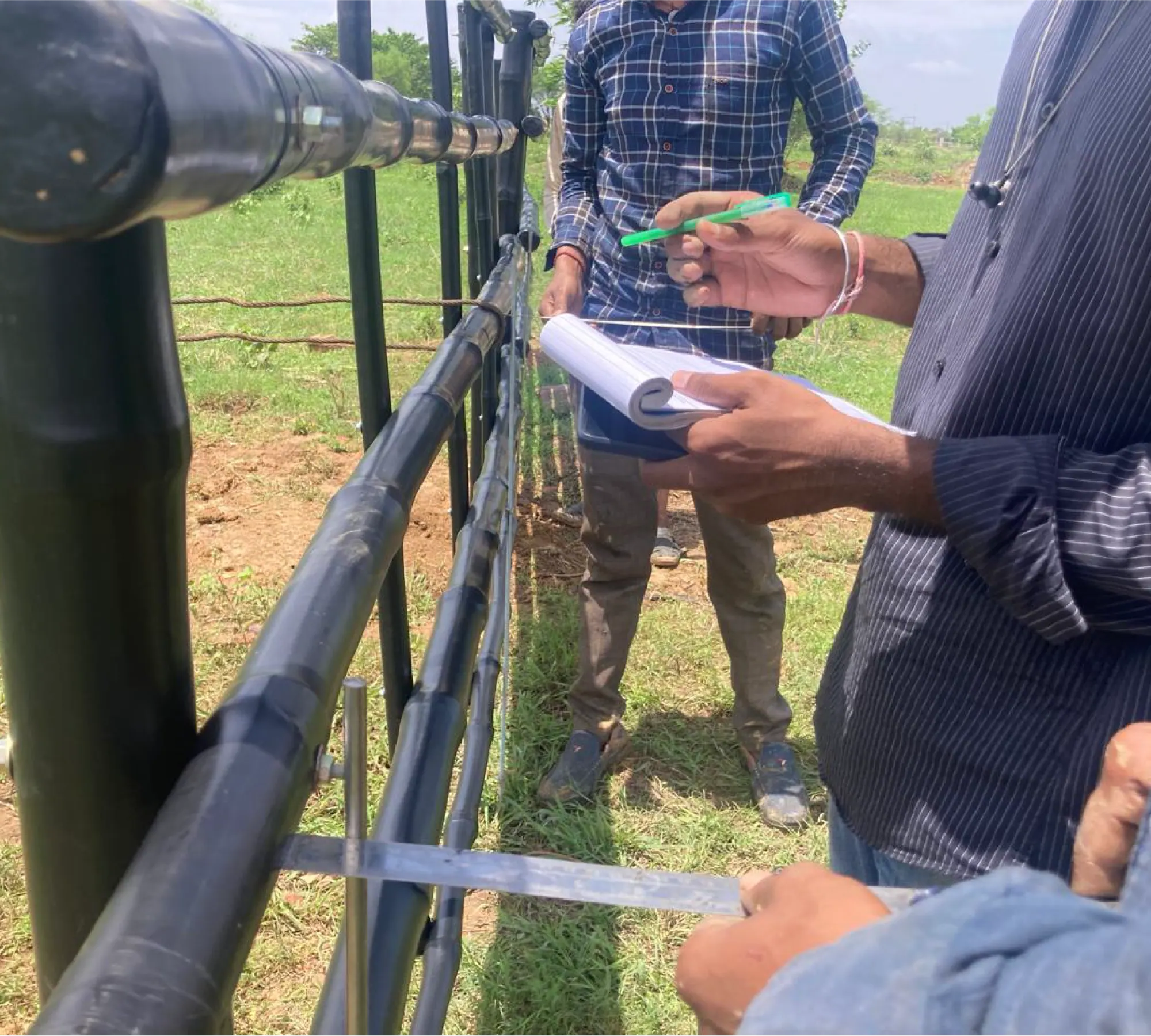
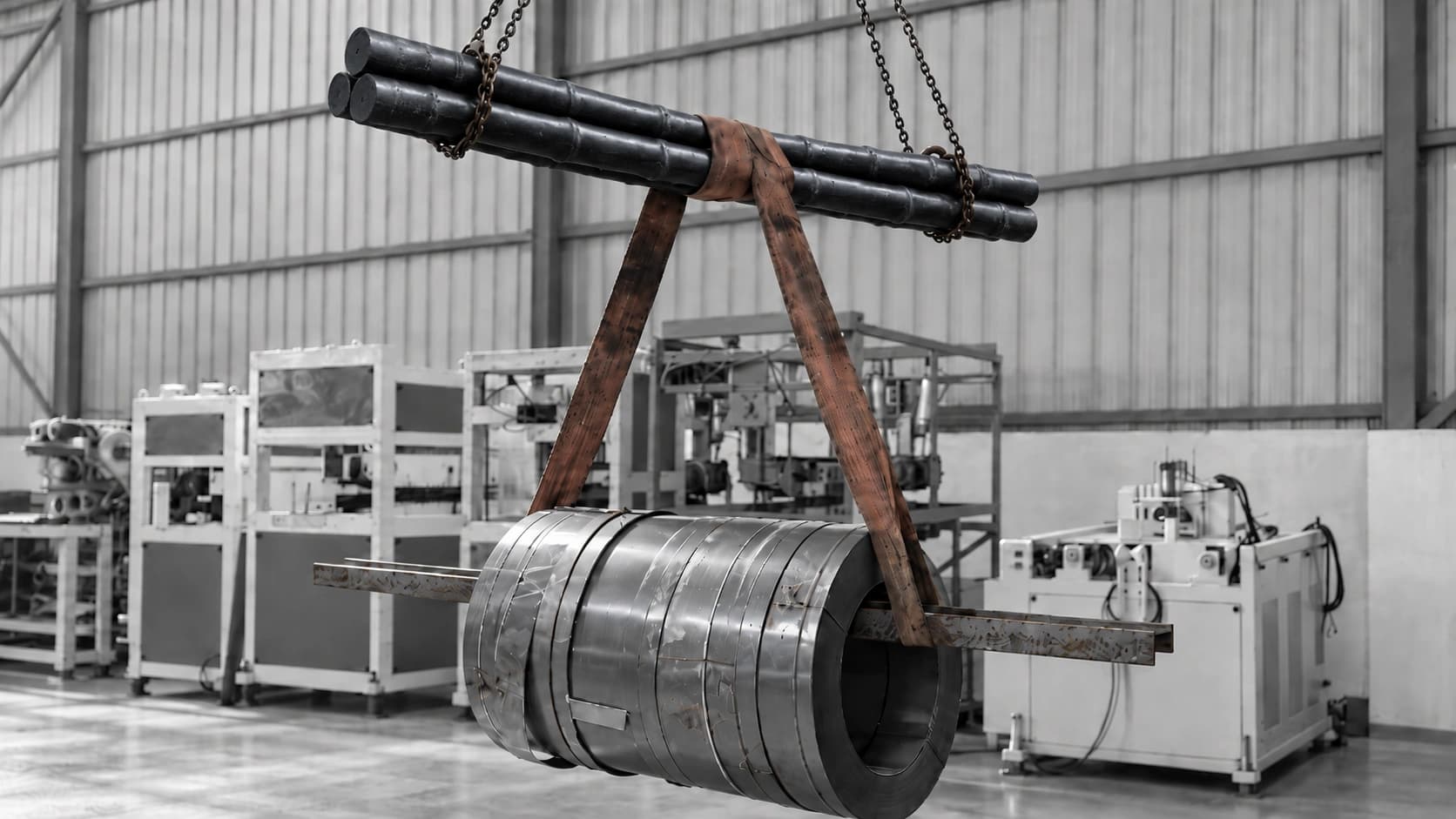
Engineered bamboo transforms raw bamboo poles into standardized, high-performance structural elements. Through processes like laminating, densifying, and weaving, the natural fibers are optimized, removing inconsistencies and creating materials that rival traditional hardwoods and even steel in specific applications.

The bamboo lifecycle
01Grow
02Harvest
03Process
04Build
05Regenerate

Designed to perform.

High structural efficiency, flexibility under stress, and predictable engineered performance.

Swipe to explore

Strength-to-weight advantage
01 / Strength

Strength-to-weight advantage

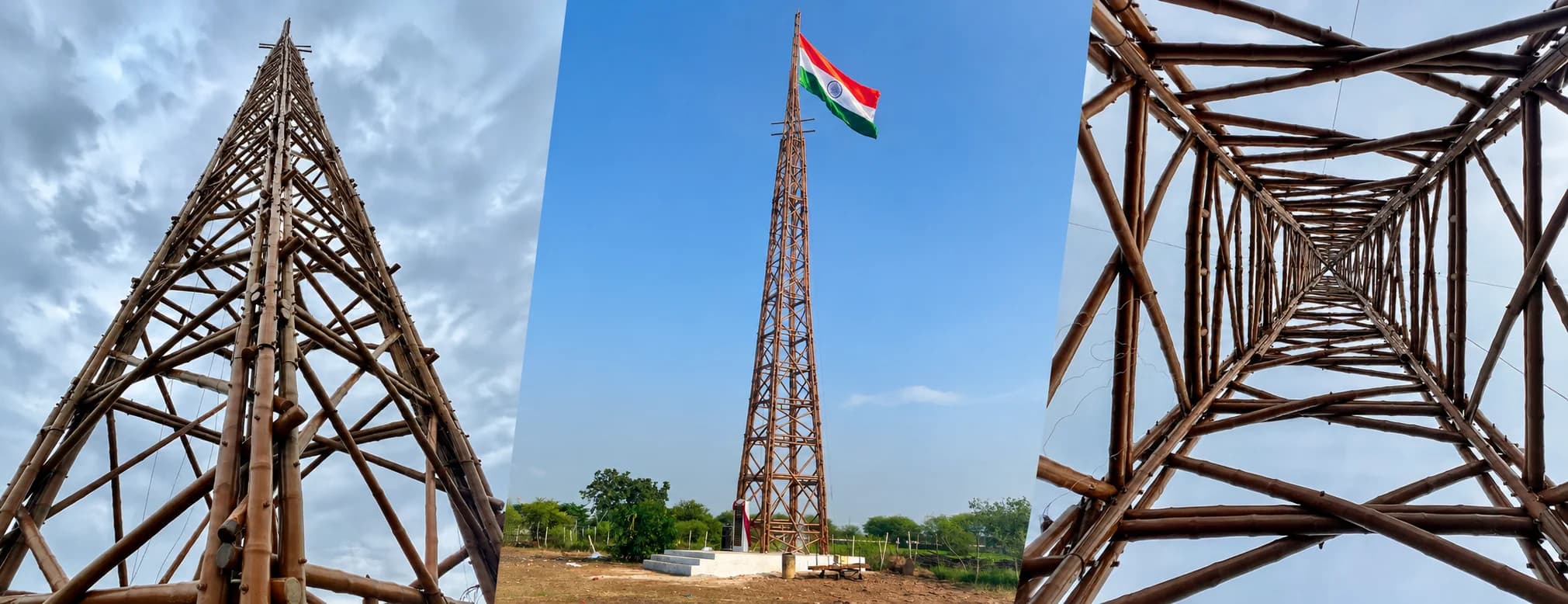
Bamboo has a higher tensile strength than many alloys of steel and a higher compressive strength than many mixtures of concrete, relative to its weight. This makes it an incredibly efficient material for structural applications.

Flexibility and seismic performance
02 / Resilience

Flexibility and seismic performance

The natural flexibility of bamboo fibers allows structures to bend without breaking. This resilience is particularly valuable in earthquake-prone regions, where bamboo buildings have historically survived seismic events that destroyed rigid structures.

Technical advantages
03 / Reliability

Technical advantages

Engineered bamboo offers predictable performance, dimensional stability, and can be treated for enhanced fire resistance and durability against pests, making it suitable for modern building codes and demanding applications.

A renewable resource for a changing world.

Bamboo regenerates quickly, stores carbon in durable products, and protects soil systems — making it a practical material choice for long-term infrastructure planning.

30,000km
Car emissions offset per hectare
5.09t
CO₂ absorbed per hectare
3-5yrs
Maturity cycle
25yrs
Service life

Rapid renewability

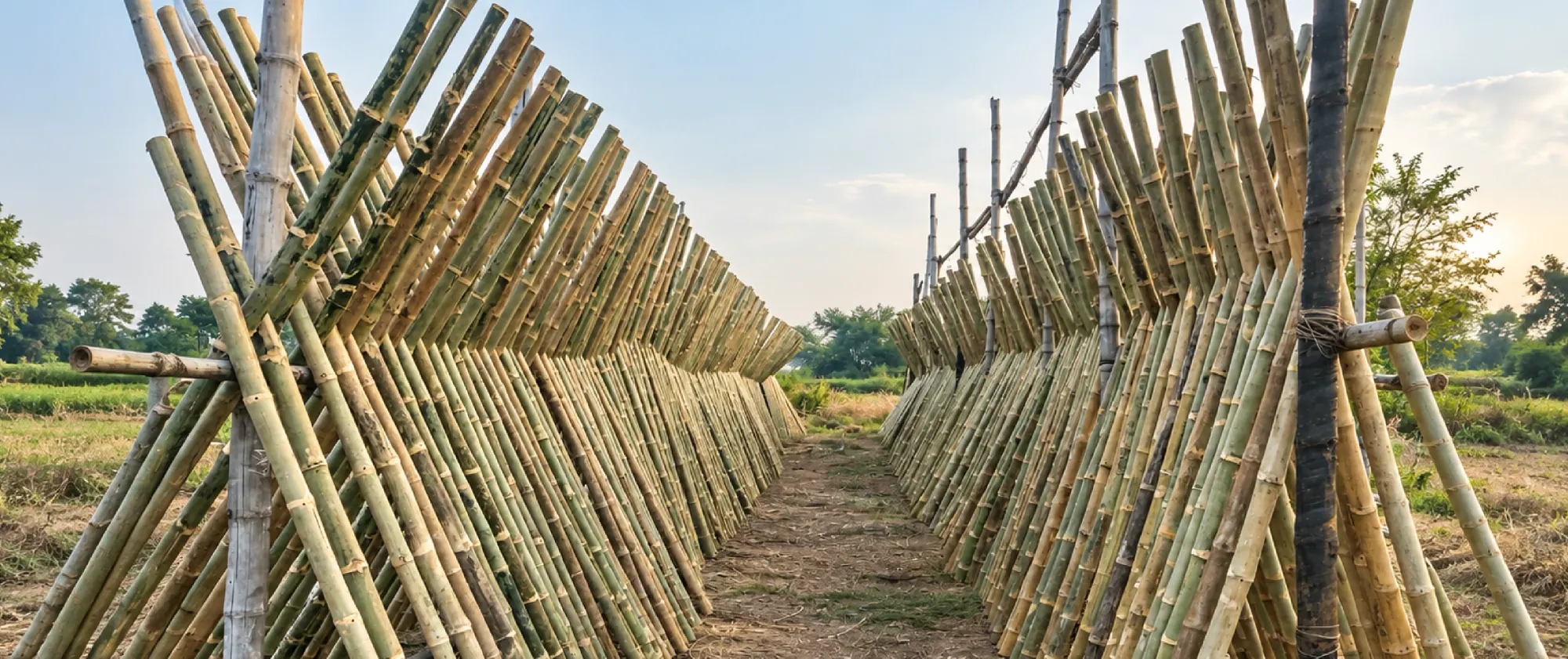
While timber can take decades to mature, bamboo reaches maturity in 3 to 5 years. This rapid regeneration cycle allows for frequent harvesting without depleting the resource base.

Carbon sequestration

Bamboo forests are highly effective carbon sinks. When bamboo is harvested and transformed into durable engineered products, that carbon remains locked away in the built environment.

Soil and water conservation

Bamboo's extensive rhizome network helps bind soil, preventing erosion and retaining water. Harvesting does not require killing the plant or disturbing the root system.

Bamboo manufacturing facility

Different materials.
Different possibilities.

Swipe to explore

Bamboo

Renewability3–5 Years
Carbon FootprintNegative (Sink)
Embodied EnergyLow
Tensile Strength / WeightExcellent

Steel

RenewabilityNon-renewable
Carbon FootprintVery High
Embodied EnergyVery High
Tensile Strength / WeightExcellent

Concrete

RenewabilityNon-renewable
Carbon FootprintHigh
Embodied EnergyHigh
Tensile Strength / WeightPoor

Zero-carbon bamboo lifecycle.

Swipe to explore

01Bamboo Forest

High carbon storage through fast-growing bamboo forests.

02Manufacturing

Low-impact, responsible processing.

03Transportation

Optimized logistics with reduced transport emissions.

04Use

25-year service life with proper maintenance.

05End of Life

Energy recovery through biomass use.

Rapid growth. Natural regeneration.

Unlike conventional hardwoods that often require decades to reach maturity, bamboo regenerates without replanting and matures in just 3–5 years. This rapid renewal allows bamboo forests to be harvested responsibly while maintaining continuous growth, making bamboo a highly efficient and renewable alternative to traditional timber resources.

Harvesting age (years)

Bamboo
3–5
Sheesham
30
Sal
60
Teak
70

Grown in a lifetime. Mined from deep time.

Bamboo and Indian timber are harvest cycles. Cement and steel are not. The limestone in cement and the iron in steel formed over geological time — they can be extracted, but they cannot be grown again.

Times below describe how the raw material formed or grew, not how long a kiln or mill takes to process it.

Swipe to explore

Grown

Bamboo

Role
Structural, renewable
How it formed
Grows and regenerates without replanting
Time
3–5 years
Grown

Indian timber

Role
Structural, renewable
How it formed
Forest hardwood — sheesham, sal, teak
Time
30–80 years
Mined

Limestone → cement

Role
Core of concrete
How it formed
Ancient ocean shells and coral, compressed into rock
Time
Tens to hundreds of millions of years
Mined

Iron ore → steel

Role
Structural mineral
How it formed
Ancient ocean chemistry locked in rock
Time
About 2 billion years

A resource with national significance.

Swipe to explore

India's vast resources

India possesses the second-largest bamboo resource base in the world. Utilizing this resource effectively has the potential to transform local economies, create rural employment, and provide a sustainable domestic material supply for infrastructure growth.

Economic empowerment

Developing the engineered bamboo industry creates value across the entire supply chain, from rural farmers and harvesters to high-tech processing facilities and skilled manufacturing jobs, fostering equitable economic development.

Common questions about bamboo.

Is engineered bamboo durable?

Yes. Through proper processing and treatment, engineered bamboo can achieve durability comparable to dense hardwoods, resisting moisture, pests, and decay when used appropriately in structural applications.

How is it treated against pests?

Bamboo is typically treated using non-toxic boron solutions or thermal modification techniques that remove the starches pests attract, ensuring long-term protection without relying on harmful chemicals.

Can it be used outdoors?

Yes, specifically formulated exterior-grade engineered bamboo, often modified through heat and pressure (densified bamboo), is designed to withstand outdoor weathering and is suitable for decking, cladding, and exterior structures.

Building differently begins with thinking differently.

Discover how our engineered bamboo solutions are designed to meet the demands of tomorrow.